Lymphatic Drainage: Why MLD Is Becoming Part of the Post-Surgery Recovery Conversation
The body already knows how to heal. Sometimes it just needs the right kind of support.
MLD is being mentioned more frequently in post-operative recovery conversations, particularly as more patients return home with aftercare guidance that includes lymphatic support.
More and more people returning home after cosmetic procedures such as liposuction, abdominoplasty, or BBL surgery are being advised to look into manual lymphatic drainage as part of their recovery plan. It is no longer being viewed as a niche extra, but as a supportive therapy that is increasingly discussed within post-operative aftercare - particularly where swelling, fluid build-up, and tissue congestion are part of the healing process.
What Is Manual Lymphatic Drainage?
Manual lymphatic drainage, or MLD, is a specialised, gentle, rhythmic massage technique designed to encourage the movement of lymph fluid through the lymphatic system. Unlike deep tissue massage, MLD works very lightly and precisely on the skin and superficial tissues, guiding fluid toward areas where it can drain more effectively. Cancer Research UK describes it as a specialised form of skin massage used to help reduce swelling caused by fluid build-up.
MLD has a long clinical history. It was developed by Emil and Estrid Vodder, and over time several recognised approaches have emerged, including Vodder, Földi, and Casley-Smith. These methods vary slightly in technique, but all rely on slow, light, directional movements rather than force.
Why Is MLD Being Talked About So Much After Cosmetic Surgery?
Procedures such as liposuction and tummy tucks can disrupt superficial lymphatic pathways, which is one reason swelling, tenderness, and tissue firmness can persist during recovery. A 2023 review in *Aesthetic Surgery Journal Open Forum* notes that swelling after liposuction may take three to six months to resolve naturally, and describes MLD as increasingly used post-operatively to help manage oedema, discomfort, and fibrosis. The same review discusses general recommendations often used in aesthetic aftercare, such as treatment two to three times a week for the first three to four weeks, depending on the patient and surgical guidance.
That does not mean every surgeon follows exactly the same protocol, but it does reflect a wider shift: MLD is becoming part of the recovery conversation because many practitioners see value in gentle, structured support during the post-op healing window.
The Aftercare Gap
As cosmetic surgery abroad has grown, so has concern about what happens after the procedure. UK Parliament's 2026 report on cosmetic procedures says cosmetic tourism has surged in popularity and that growing numbers of people are returning to the UK needing corrective treatment, placing additional burden on the NHS. BAAPS, BAPRAS, and the Association of Breast Surgery all make a similar point: aftercare is often more limited when surgery is carried out overseas, and follow-up can be harder to access once the patient is back home.
This is where trained holistic and manual therapists are increasingly visible. Not as a replacement for medical care, and not as a substitute for a surgeon's advice, but as part of the wider support network many people look for when they need skilled, hands-on, non-aggressive recovery support. In practice, many people look beyond formal medical aftercare for ongoing hands-on support, which is one reason properly trained holistic therapists are becoming part of the wider recovery picture - especially when formal aftercare ends, access is limited, or patients have returned from treatment abroad.
What Does the Research Say?
The evidence base for MLD is strongest in lymphoedema care, where it is already established as part of specialist management. It is also growing within plastic and reconstructive surgery. Cancer Research UK and NHS lymphoedema services describe MLD as a specialist treatment for swelling management, delivered by trained practitioners.
Reduction in swelling and fibrosis: A prospective comparative study published in *Plastic Surgical Nursing* reported that patients recovering from abdominoplasty with core liposuction who received MLD had faster reductions in post-operative oedema than those who did not.
Growing clinical interest: The 2023 review in *Aesthetic Surgery Journal Open Forum* highlights benefits reported in the literature around swelling, fibrosis, comfort, and recovery support. At the same time, the review also makes clear that more high-quality research is still needed.
That balance matters. The evidence is promising, especially for post-surgical swelling and lymphatic support, but the most trustworthy way to talk about MLD is as a supportive therapy with growing clinical interest, rather than a miracle fix.
What Should MLD Feel Like?
A proper lymphatic drainage treatment should feel gentle. It is not deep tissue work, and it should not feel forceful or painful. Cancer Research UK describes MLD as using very light, slow, rhythmic movements, and NHS guidance similarly notes that it should only be carried out by someone suitably trained.
A good therapist will work carefully, use light directional strokes, and adapt the session to the client's stage of healing and individual needs. For anyone recovering from surgery, treatment timing should always follow surgical advice, and MLD is not appropriate in every circumstance - for example, it may be contraindicated with infection, blood clots, some heart problems, or cancer in the area being treated.
Beyond Surgery
Although post-operative recovery is where MLD is attracting increasing attention, it is not limited to that setting. In specialist lymphoedema care it is used as part of swelling management, and in holistic practice it is often sought out by people who want a gentler, more restorative approach to fluid retention, puffiness, or a feeling of heaviness in the tissues.
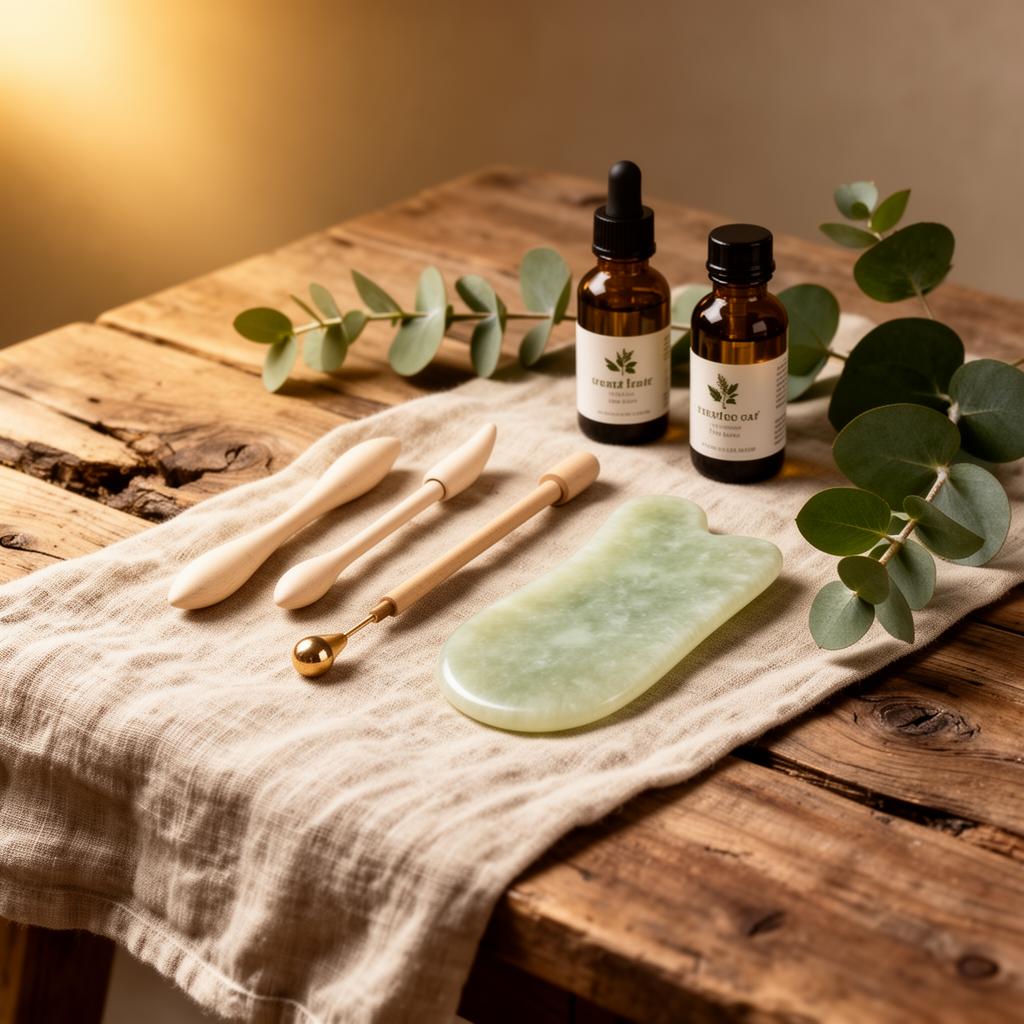
For facial work, the benefits are best described in terms of reducing puffiness, encouraging movement of stagnant fluid, and supporting a fresher-looking complexion. In my Detox & Drain facial, I use a combination of Gua Sha, lymphatic drainage massage, and ice globe therapy to support the face's lymphatic pathways. The effects are visible and immediate: reduced puffiness, improved skin clarity, a more sculpted and rested appearance.
A Note on "Era 3"
Some practitioners describe this shift as part of "Era 3" healthcare - a more collaborative, person-centred model in which clinical care, recovery support, and holistic practice work more closely together. The phrase itself comes from Donald Berwick's *Era 3 for Medicine and Health Care*, though in the holistic world it is now often used more broadly.
A Final Thought
What makes lymphatic drainage so compelling is not force, but precision. It is a therapy built on gentleness, rhythm, and respect for how the body already works.
As recovery conversations evolve - especially around cosmetic tourism, aftercare, and the need for more joined-up support - it is easy to see why MLD is becoming part of that picture. Used appropriately, and delivered by someone properly trained, it can offer a calmer, more considered kind of support at a time when the body is already doing a great deal.
If you're recovering from a procedure and looking for lymphatic support, or if you simply want to experience the benefits of facial lymphatic drainage, I'd love to help.
Explore the Detox & Drain facial →
With care and intention,
- Emma 🤍
---
*References:*
*Marxen, T. et al. (2023). The Utility of Lymphatic Massage in Cosmetic Procedures. Aesthetic Surgery Journal Open Forum, 5, ojad023.*
*Maningas, T. et al. (2020). Manual Lymphatic Drainage in Postoperative Abdominoplasty With Core Liposuction Patients. Plastic Surgical Nursing, 40(2).*
*UK Parliament (2026). Cosmetic Procedures Report.*
*Cancer Research UK. Manual Lymphatic Drainage.*